
BC Court Allows Novel Wills Variation Claim by Non-Biological Child to Proceed
Myron Plett of Vest Estate Lawyers stands at the forefront of a significant development in British Columbia estate law: the possible expansion of the definition of “child” under the Wills, Estates and Succession Act (“WESA”).
Recently, Plett and his client, Mary Diane Stainer, cleared an initial procedural hurdle when the court dismissed an application by the estate’s executors to strike Stainer’s claim. The lawsuit raises a fundamental question: can—and should—the definition of “child” in wills variation claims be expanded to include individuals in non-biological and non-adoptive parent-child relationships?
The Background
Stainer’s claim arises from her long-standing relationship with Wilfred Joseph Landry (the “Deceased”). The Deceased and Stainer’s mother were married and he was listed as her father on her birth certificate. According to Stainer, their relationship could only be described as a father-daughter relationship.
The Deceased’s Will left the residue of his estate to his brother and nothing to Ms. Stainer. Along with the Will was a sworn statement stating that the Deceased had no children and that he never considered Stainer to be his child”.
Stainer then made a claim under Division 6, section 60 of British Columbia’s WESA for a variation of the Deceased’s will. Under this provision, applications to vary a will can be made and adjudicated where the deceased does not “make adequate provision for the proper maintenance and support of the will-maker’s spouse or children.”
The statute enables the court to step in and “order that the provision that it thinks adequate, just and equitable in the circumstances be made out of the will-maker’s estate for the spouse or children,”
Stainer presented the following arguments to demonstrate her relationship with the Deceased:
- the Deceased introduced himself to the general public as her father;
- he actively took part in her parenting and maintained a relationship with her through her childhood after the dissolution of his marriage with her mother and her own passing;
- he actively prevented her from developing a paternal relationship with anyone else;
- he made significant financial contributions to support her during her childhood; and
- he assisted her in paying for her university education.
Stainer admits that she and the Deceased suffered through rough patches and that their relationship was strained at times. However, she maintains that, for all intents and purposes, he still represented himself as her father throughout her life and that those rough patches are the sine qua non of a true father-daughter relationship.
Legal Issues and Arguments
The definition of “child” under wills variation legislation was first limited to biological or adopted children over 30 years ago in Re Raeder Estate, later affirmed in Peri v McCutcheon. Various efforts to challenge that definition have failed, although more recent caselaw suggests that the courts are ready to reconsider what Stainer asserts are “shifting social norms [that] have vastly reshaped family law concepts such as marriage, gender, and parenting.” In short, the definition of ‘child’ ought to be revisited with today’s standards in mind.
Plett and Stainer believe that now is the time to revisit these aging precedents, as current case law reflects a “Eurocentric and heteronormative model”, and the definition of “child” within s. 60 of WESA ought to reflect modern social norms.
Justice Walkem’s Decision
Justice Walkem was satisfied that this was a matter that ought to proceed to trial and be considered on its merits. In her view, the doctrine of stare decisis does not bar all wills variation claims brought by non-biological or non-adoptive children. In particular, she accepted that the Court of Appeal in Peri left open the possibility that the definition of “child” might be expanded in appropriate cases where the factual circumstances are sufficiently compelling.
Looking Forward
Although the decision does not redefine “child” under WESA, it allows the litigation to proceed and opens the door to a potentially significant reconsideration of its meaning.
If the courts ultimately adopt a broader interpretation, the decision could have far-reaching implications for wills variation claims in British Columbia, particularly for individuals raised in non-traditional family structures.
Think You Have a Claim?
Contact us at Vest Estate Law. Our team of professionals are available and ready to assist you.

We serve the entire province of BC. Our experienced paralegals can meet with you in Vancouver and throughout the Lower Mainland, making it easier for you to get the assistance that you need. We also have an interior office in Kamloops. That said, our lawyers have the infrastructure to work with any of our clients virtually — even in the furthest regions of British Columbia.
Call (604) 256-7152 [toll free 1 (877) 415-1484] to get routed to the best representative to serve you or contact us online to schedule an appointment.
We also have a dedicated intake form to help you get the ball rolling. Our intake team will review your specific case and advise you on the next steps to take and what to expect moving forward.
Our offices are generally open 8:30 a.m.—5:00 p.m., Mon—Fri.
Vest Estate Law is dedicated to providing you with practical and innovative advice in estate administration, estate planning, and estate disputes, do not hesitate to reach out and one of our knowledgeable staff will respond promptly to arrange a consultation that meets your needs.
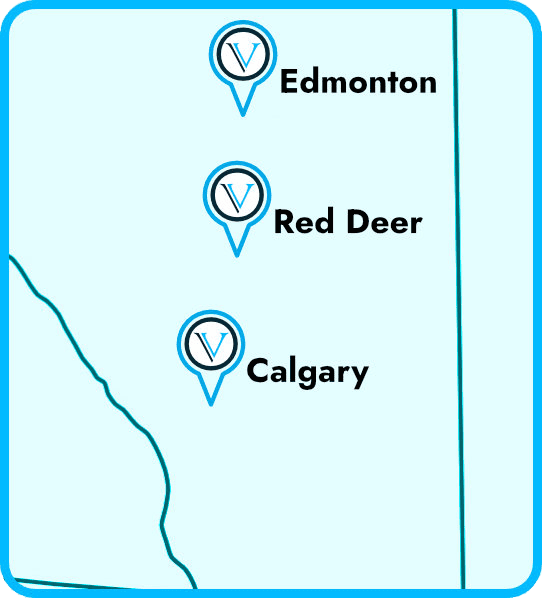
We currently have three offices across Alberta — Edmonton, Calgary, and Red Deer. However, we serve the entire province of Alberta. We also have the infrastructure to work with any of our clients virtually — even the furthest regions of Alberta.
Call us toll-free at 1-877-448-3131 to get routed to the best office for you or contact us online to schedule an appointment.
We also have a dedicated intake form to help you get the ball rolling. Our intake team will review your specific case and advise you on the next steps to take and what to expect moving forward.
Our offices are generally open 8:30 a.m.—5:00 p.m., Mon—Fri.
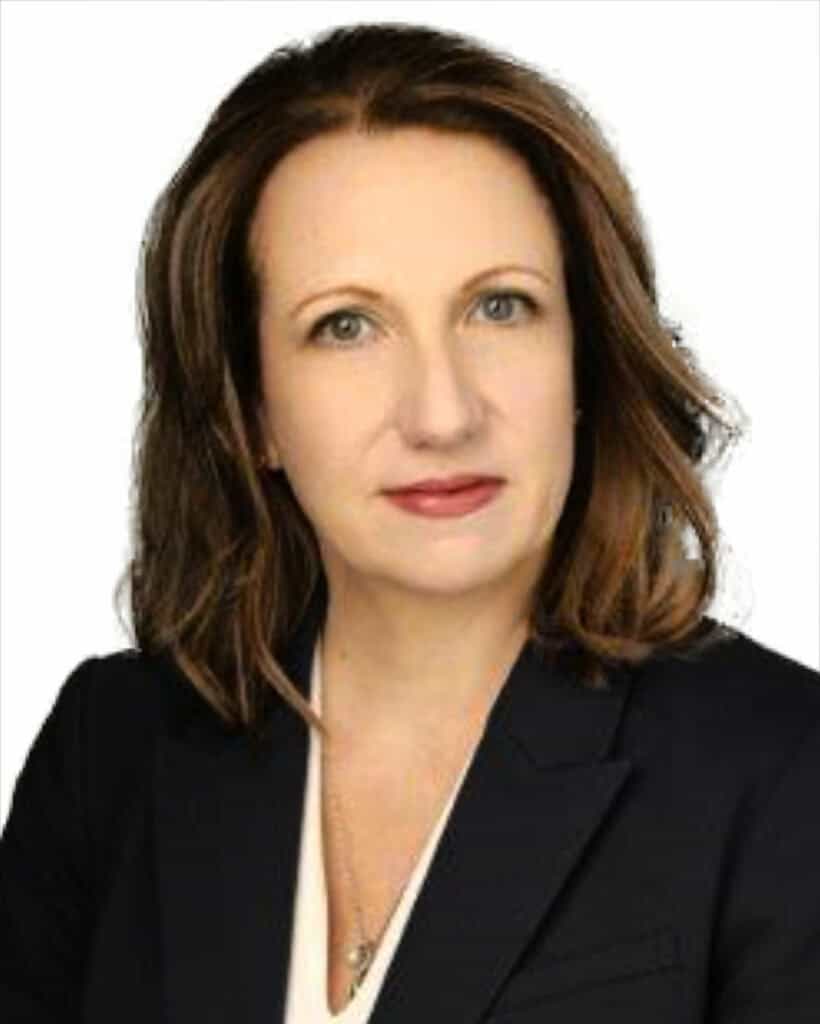
Kelly Sullivan
WILLS and ESTATES PARALEGAL
Kelly is a highly accomplished Paralegal with an impressive 28-year tenure in the legal industry, specializing in estate administration and estate planning at Vest Estate Law. Her extensive experience and profound knowledge have established her as an invaluable asset to the firm and a trusted advisor to clients.